Advanced Perimeter Security Systems: Complete Protection Solutions for Critical Infrastructure
Discover cutting-edge integrated security technologies that create impenetrable barriers around your most valuable assets.
About Perimeter Security Systems
Understanding this essential product category
Perimeter security systems represent the first and most critical line of defense in comprehensive security strategies, combining physical barriers with advanced detection technologies to create multi-layered protection zones. In today's increasingly complex threat landscape, organizations across industries—from critical infrastructure and government facilities to commercial properties and industrial complexes—require sophisticated perimeter solutions that go far beyond traditional fencing. These integrated systems seamlessly blend physical deterrents with intelligent sensors, surveillance cameras, access control mechanisms, and real-time monitoring capabilities to detect, delay, and deter potential security breaches before they compromise protected areas. The Fence Show & Security Expo brings together four specialized exhibitors who represent the forefront of perimeter security innovation, showcasing solutions that address evolving security challenges while meeting stringent regulatory requirements and operational demands. These industry leaders offer comprehensive systems that integrate seamlessly with existing security infrastructure, providing scalable solutions suitable for everything from small commercial properties to expansive government installations. Attendees will discover how modern perimeter security systems leverage artificial intelligence, machine learning, and IoT connectivity to deliver unprecedented situational awareness and automated threat response capabilities. This category represents one of the fastest-growing segments in the security industry, driven by increasing security concerns, regulatory compliance requirements, and technological advancements that make sophisticated protection more accessible and cost-effective than ever before.
Perimeter Security Systems in Today's Market
The perimeter security systems market has experienced unprecedented growth, driven by escalating global security threats, increased infrastructure investment, and rapid technological advancement. Current industry trends show a decisive shift toward integrated solutions that combine multiple detection technologies—including fiber optic sensors, microwave barriers, thermal imaging, and AI-powered video analytics—into unified platforms that provide comprehensive threat detection and assessment capabilities. Modern systems increasingly emphasize intelligent automation, reducing false alarms while enhancing genuine threat detection through advanced algorithms that can distinguish between environmental factors and actual security breaches. Innovation in this sector focuses heavily on system integration and interoperability, with manufacturers developing platforms that seamlessly connect with existing security infrastructure, building management systems, and emergency response protocols. Cloud-based monitoring and management capabilities are becoming standard features, enabling remote system oversight, predictive maintenance, and real-time threat intelligence sharing across multiple locations. The industry is also witnessing significant advancement in wireless technologies and solar-powered solutions, making perimeter security more viable in remote locations and reducing installation complexity and ongoing operational costs.
Why Choose Exhibitors at The Fence Show?
- Vetted industry leaders and manufacturers
- Hands-on product demonstrations
- Direct access to technical experts
- Exclusive show pricing and deals
- Latest innovations and technologies
- Networking with fellow professionals
Perimeter Security Systems Exhibitors
Connect with 4 industry leaders
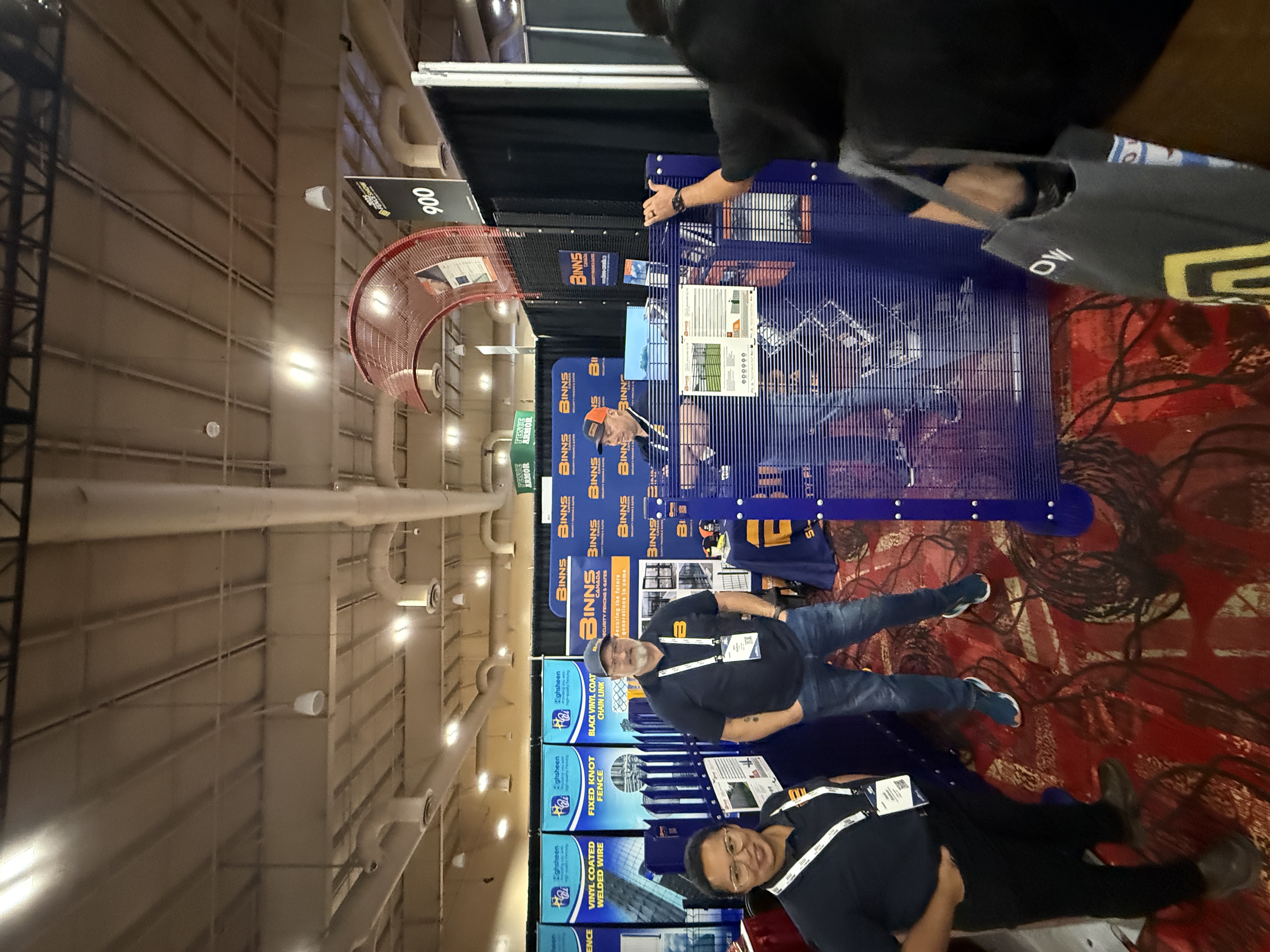

Binns Canada
Advanced High-Security Perimeter Solutions for Critical Infrastructure


ZND
Temporary Fencing Solutions Designed To Be Stronger, Safer, and A Smarter Choice For Your Business

All Security Equipment
The Simplest Way to Buy Security Equipment Online.


Imperial Fence Supply
Providing quality fencing products since 2015.
What to Look for When Buying Perimeter Security Systems
When evaluating perimeter security systems, professionals must first conduct comprehensive threat assessments to determine appropriate protection levels, considering factors such as asset value, threat probability, regulatory requirements, and operational constraints that will influence system design and component selection. Key technical considerations include detection range and accuracy, environmental adaptability, integration capabilities with existing security infrastructure, and scalability to accommodate future expansion or modification needs. System reliability becomes paramount in mission-critical applications, requiring evaluation of component redundancy, backup power capabilities, communication pathway diversity, and proven performance records in similar operational environments. Professional buyers should prioritize systems offering centralized management platforms with intuitive interfaces, comprehensive reporting capabilities, and remote monitoring options that reduce ongoing operational overhead while maintaining security effectiveness. Compliance considerations are increasingly important, particularly for regulated industries where perimeter security systems must meet specific standards for detection probability, nuisance alarm rates, and integration with emergency response protocols. Cost analysis should encompass not only initial system acquisition and installation expenses but also long-term operational costs including maintenance, monitoring services, periodic upgrades, and staff training requirements. Vendor selection criteria should emphasize technical support quality, training programs, warranty coverage, and demonstrated expertise in similar applications to ensure successful system deployment and ongoing performance optimization.
Find Perimeter Security Systems at These Events
Meet exhibitors in person

Common Uses for Perimeter Security Systems
Perimeter security systems find extensive application across critical infrastructure facilities including power generation plants, water treatment facilities, transportation hubs, and telecommunications centers where security breaches could have far-reaching consequences for public safety and economic stability. Government and military installations represent another major application area, requiring high-security solutions capable of detecting and deterring sophisticated threats while maintaining operational security and meeting stringent regulatory compliance requirements. Commercial and industrial applications continue expanding, with manufacturing facilities, data centers, pharmaceutical companies, and logistics centers implementing comprehensive perimeter protection to safeguard intellectual property, sensitive data, and valuable inventory from theft and industrial espionage. Correctional facilities, educational institutions, healthcare campuses, and residential communities increasingly deploy perimeter security systems to create safe environments while maintaining appropriate access control and visitor management protocols. Installation scenarios range from new construction projects where perimeter security can be integrated during initial design phases to retrofit applications requiring careful integration with existing infrastructure, utilities, and operational workflows without disrupting ongoing activities.
Maintenance & Care for Perimeter Security Systems
Effective perimeter security system maintenance begins with establishing regular inspection schedules that include visual examination of all physical components, sensor calibration verification, communication pathway testing, and software update implementation to ensure optimal performance and threat detection capabilities. Environmental factors significantly impact system performance, requiring seasonal maintenance protocols that address vegetation management around detection zones, weather seal inspection, drainage system maintenance, and cleaning procedures for optical components that may be affected by dust, moisture, or other environmental contaminants. Preventive maintenance programs should include battery backup testing, power supply verification, network connectivity assessment, and documentation of system performance metrics to identify potential issues before they compromise security effectiveness. Staff training on basic troubleshooting procedures, system status interpretation, and proper response protocols ensures rapid identification and resolution of minor issues while maintaining appropriate escalation procedures for complex technical problems requiring professional service intervention. Regular system testing through controlled intrusion scenarios validates detection capabilities and response procedures while identifying potential blind spots or performance degradation that may require adjustment or component replacement.
Frequently Asked Questions
Expert answers about Perimeter Security Systems
How do automated gates enhance perimeter security at Binns Canada?
Automated gates provided by Binns Canada offer seamless access control and enhanced security for industrial and government sites. By integrating advanced access systems, including key card readers and biometric scanners, these gates ensure that only authorized personnel can enter secure areas.
Why should I consider hostile vehicle mitigation barriers from Binns Canada?
Hostile vehicle mitigation barriers (HVM) from Binns Canada are engineered to protect critical sites from potential vehicular threats. These barriers are designed for maximum strength and reliability, making them essential for high-risk locations like government buildings and event venues.
Related Product Categories
Explore more solutions
Ready to Connect with Perimeter Security Systems Experts?
Join thousands of fence and security professionals at The Fence Show & Security Expo.